“Simplicity is the highest goal, achievable when you have overcome all difficulties.”
— Frédéric Chopin
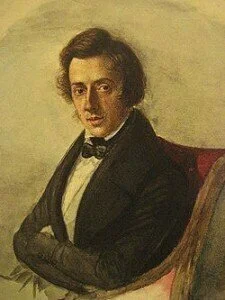
Frédéric Chopin (1810–1849) was a Polish pianist and composer who wrote almost exclusively for the solo piano.
Largely self‑taught, he invented the instrumental ballade and redefined the nocturne, mazurka, polonaise, and scherzo as genres. His études mark him as a pioneer of pianistic technique, pushing physical boundaries with such ease as though the notes wrapped themselves around the hand in the most intimate, loving way.
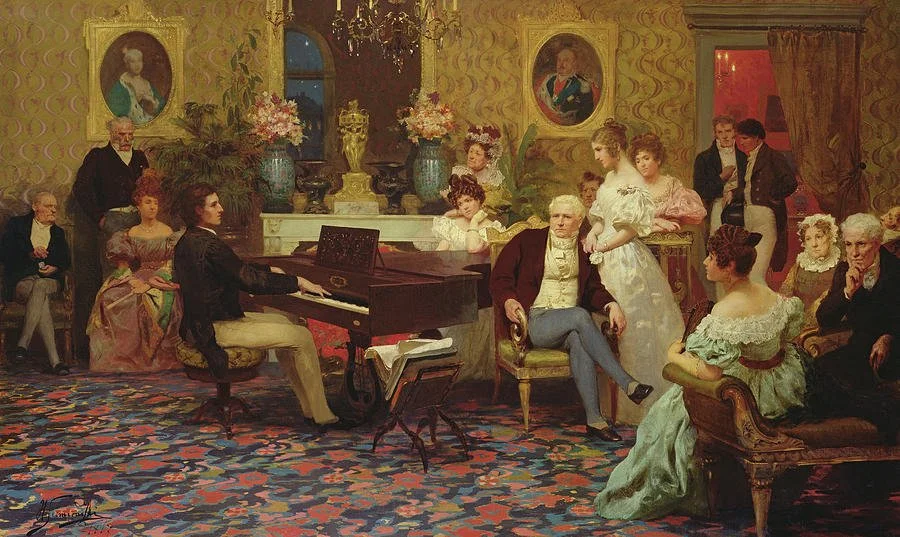
His true stage was the Parisian salon. As Marceli Antoni Szulc wrote: “His popularity was limited to salons; but in them he was the solitary king.”
Unlike Liszt, Chopin never founded a “school” – that’s why no two pianists play Chopin the same way. To a pianist, to play Chopin is to come home – a century and a half later, his music continues to touch millions across the world.
Of Those Who Heard Him Play
-
![Franz Liszt (1811-1886)]()
“Music was his language, the divine tongue through which he expressed a whole realm of sentiments that only the select few can appreciate... The piano alone was not sufficient to reveal all that lies within him. In short he is a most remarkable individual who commands our highest degree of devotion.”
— Franz Liszt
-
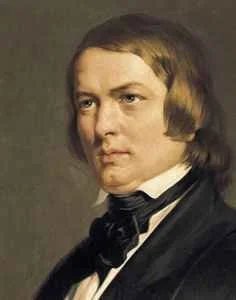
![Robert Schumann (1810-1856)]()
“It was an unforgettable picture to see Chopin sitting at the piano like a clairvoyant, lost in his dreams; to see how his vision communicated itself through his playing, and how, at the end of each piece, he had the sad habit of running one finger over the length of the plaintive keyboard, as though to tear himself forcibly away from his dream.”
— Robert Schumann
-
![Ignaz Moscheles (1794-1870)]()
“Now, for the first time, I understood his music… His piano is so ethereal that no forte is needed to create the necessary contrast. Listening to him, one yields with one's whole soul, as to a singer who, oblivious of accompaniment, lets himself be carried away by his emotion. In short, he is unique among pianists.”
— Ignaz Moscheles
-
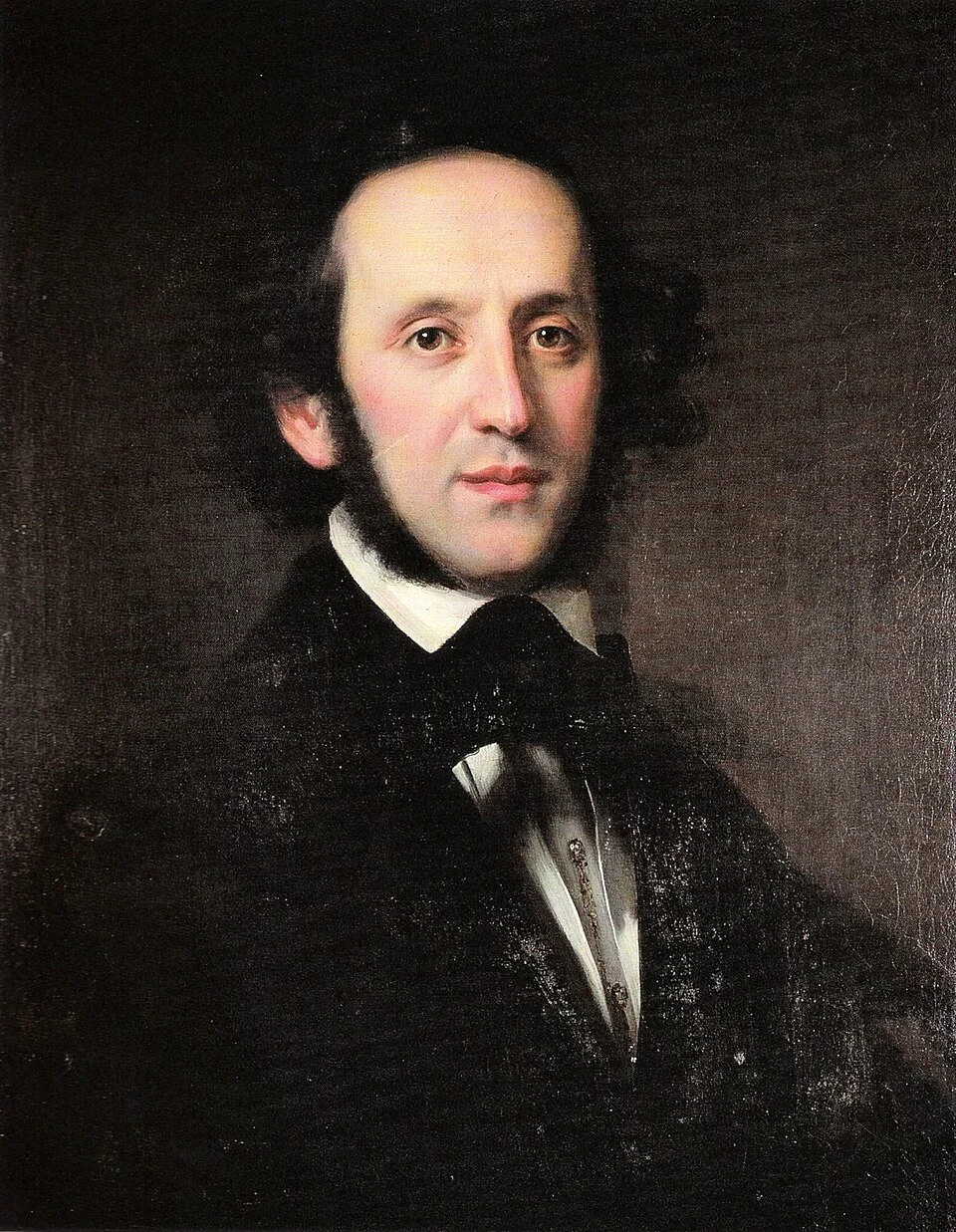
![Felix Mendelssohn (1809-1847)]()
"There is something fundamentally personal and at the same time so very masterly in his playing that he may be called a really perfect virtuoso."
— Felix Mendelssohn
-
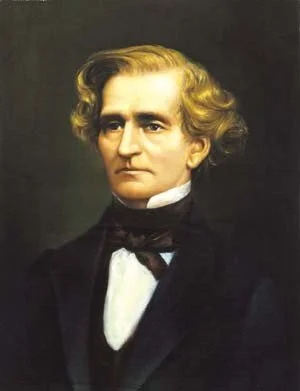
![Hector Berlioz (1803-1869)]()
"In this case, there is so much simplicity used with such freshness of imagination, that when the last note was heard, in the manner of a pearl cast into a golden vase, the audience, immersed in contemplation, continued to listen, and for a few moments restrained itself from applauding."
— Hector Berlioz

Chopin’s Pedagogical Approach
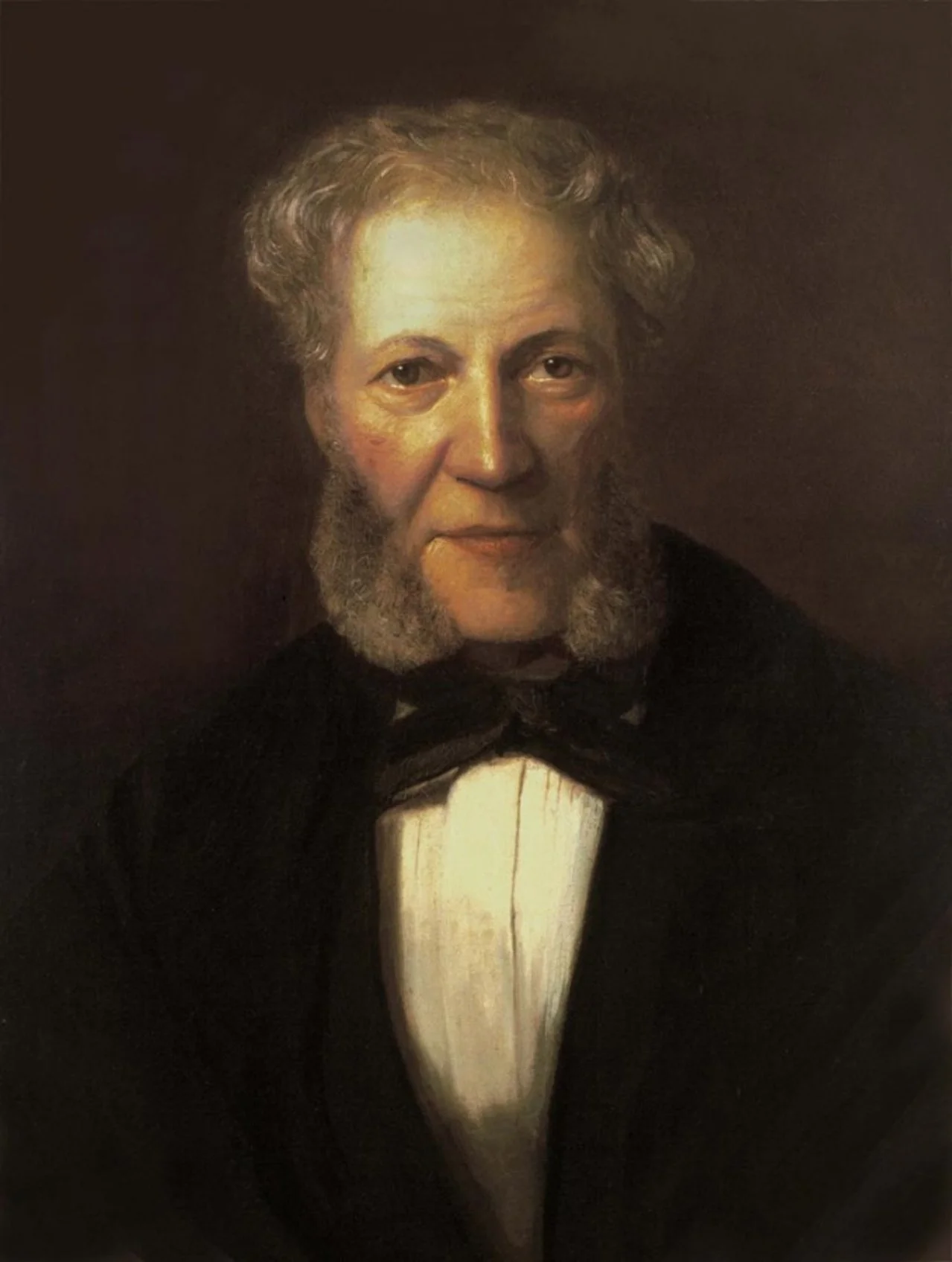
Chopin was not a fan of long hours at the keyboard. When a student admitted to practicing six hours a day, he became angry and forbade more than three. A pupil recalled: “He always advised not to work for too long at a stretch, but to intermit by reading a good book, looking at masterpieces of art, or taking an invigorating walk.” This holistic view – mind and body, not just fingers – was remarkably forward‑looking.
“Facilement! Facilement!” was his most repeated phrase, to remind his students to play with a supple body, relaxed arms, and a natural hand position free of tension. To achieve this, he would begin his students on the B major scale; he considered C major the most difficult. And his most severe criticism: “he – or she – does not know how to join two notes together.”
Chopin never completed his Projet de méthode, his attempt at summarizing his philosophy and his approach to piano playing for future generations. But those few pages contain Chopin’s meticulously worded pedagogical thought, filled with insights on the human hand. While the manuscript remained unfinished, his most dedicated students, like Karol Mikuli, watched, listened, and took notes of the master’s performances. They then passed on these lessons to their own students, who passed them on to others.
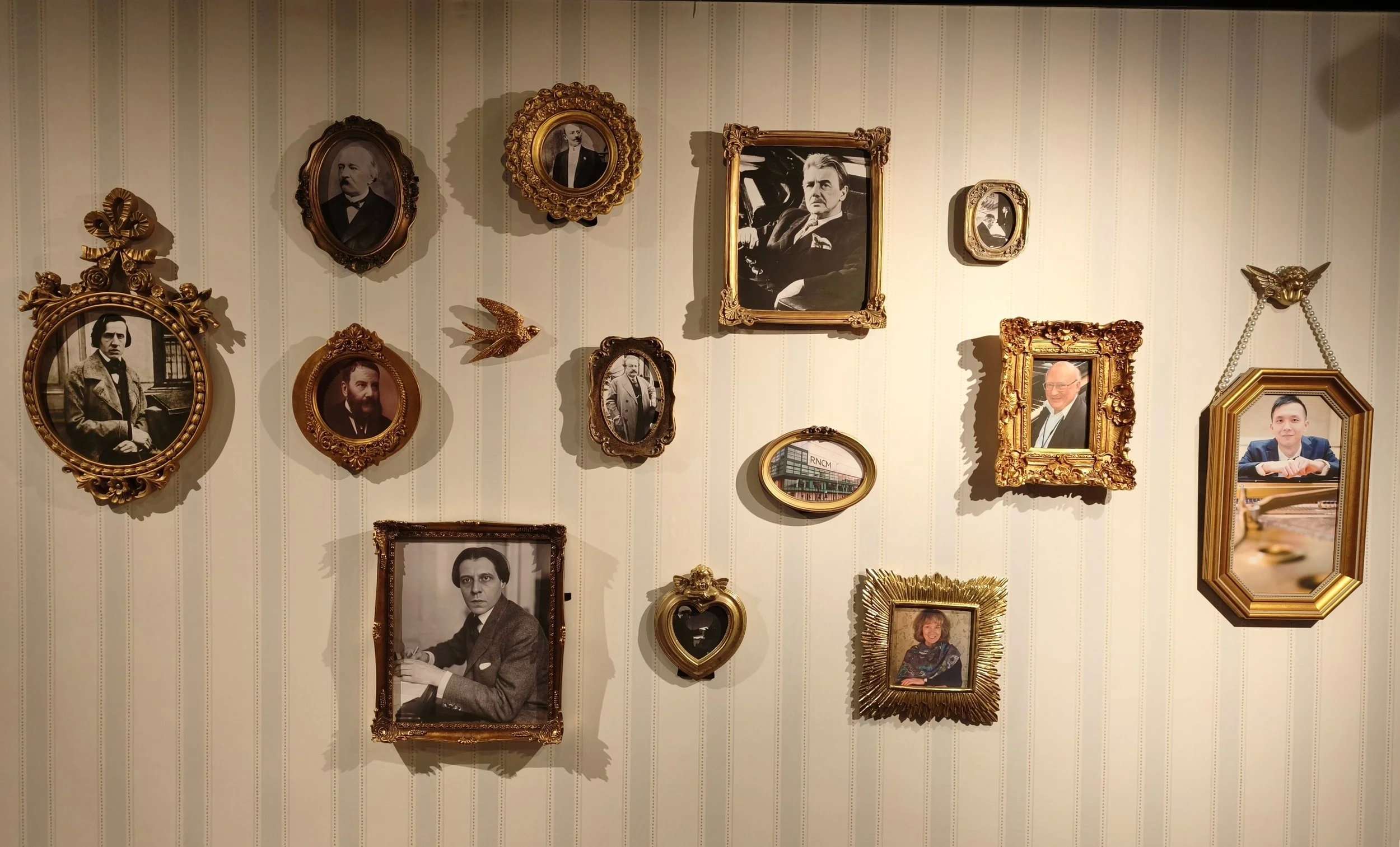
Here at Salon Chopin, we see ourselves as part of this lineage, still learning from the master’s wisdom and passing it on to a new generation of pianists who are ready to discover how Chopin’s teaching can transform their playing.
Founder’s Mission
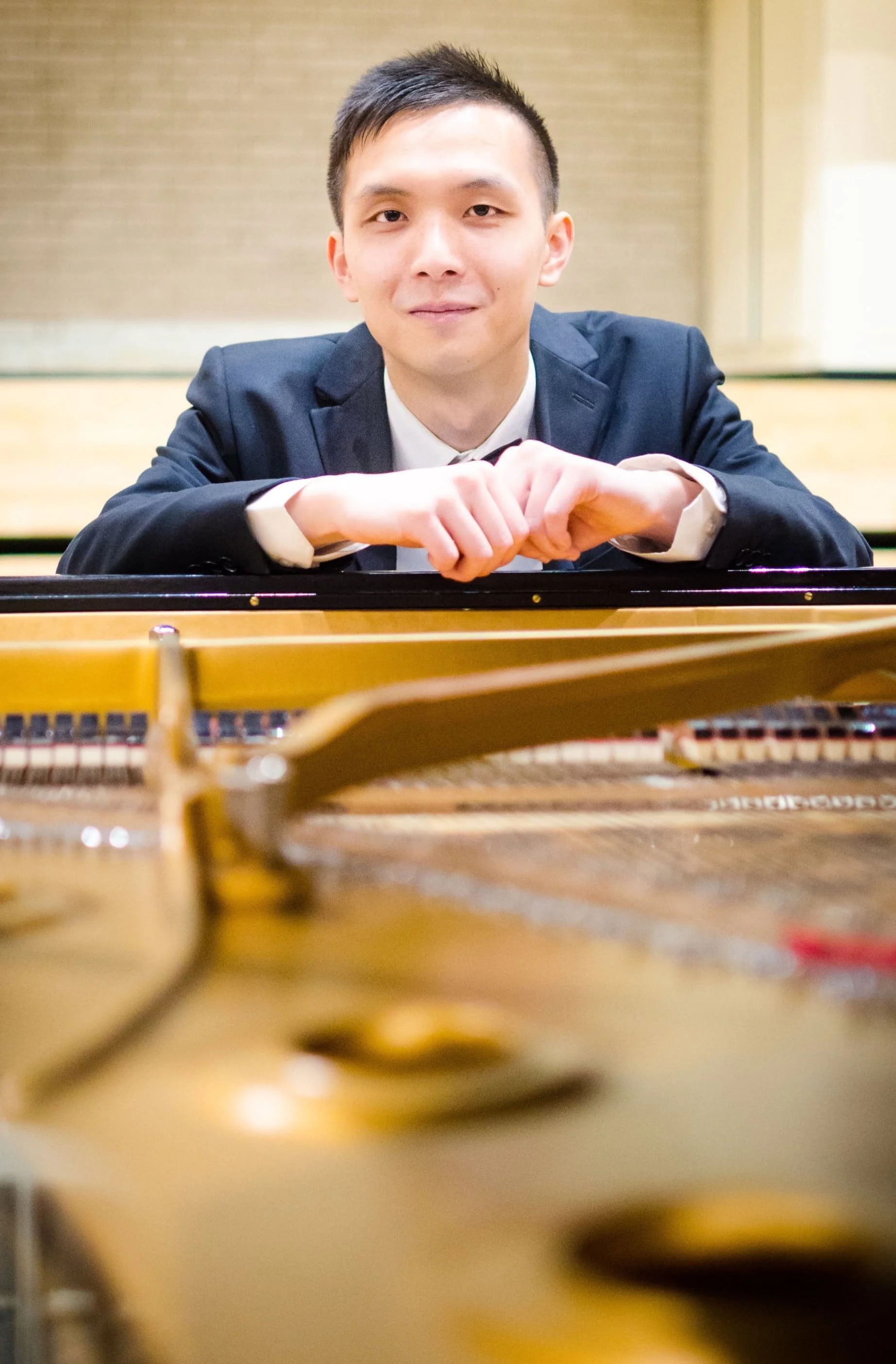
Our idea is simple – Music first.
Just as Chopin revolutionised the way we played the piano, we dream of revolutionising the way Hong Kong teaches music. We’re not here to crunch exams or competitions. We’re here to cultivate a disciplined mind and a beautiful heart – because when your music is beautiful, magical – marks are irrelevant in the face of sublime beauty and unforgettable moments. Certificates and trophies may gather dust and be lost, but you will carry the beauty of music with you always.
If you are a pianist or teacher who shares this vision – who believes in thoughtful pedagogy and artistry, and holds the master’s teachings to heart – we invite you to join us on this journey.
Continue Your Journey
Chopin’s story does not end here – nor does yours. There is more to explore: more music, more stories, more of his world.
Lessons
Explore how our one‑to‑one coaching can transform your playing.
Competition
A friendly Chopin challenge with written feedback. No live pressure.
Blog
Read about Chopin’s legacy, our founder’s path, and life in the salon.
Contact
Ready to speak with us? We would love to hear from you.